1. Arrival in Burgdorf: Where History Meets Nature
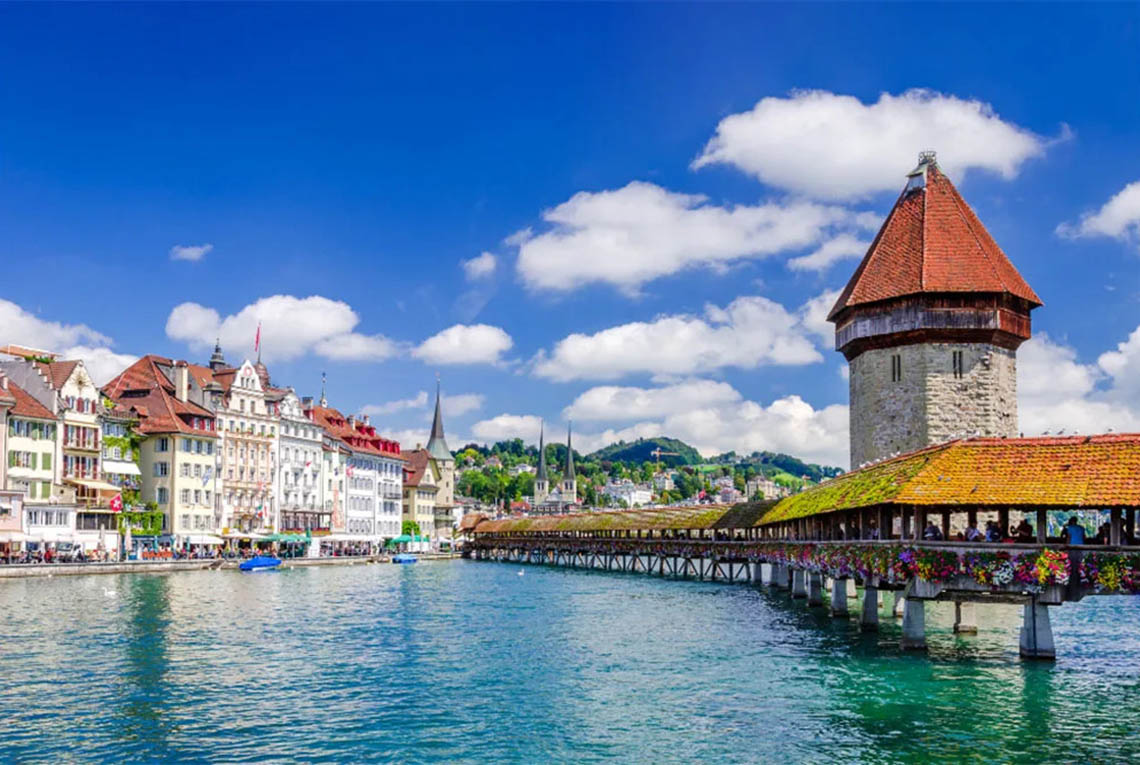
Burgdorf greets visitors with a quiet, steady charm. Nestled between Bern and the Emmental hills, it wears its medieval history not as a costume, but as a comfortable, well-worn cloak. Cobbled streets, the dominating Burgdorf Castle, and a collection of half-timbered houses form the tapestry of a town that is both timeless and lived-in.
The town center is modest in size but full of depth. The sandstone buildings—some weathered, some pristinely preserved—seem to lean slightly toward one another, as though in perpetual whispered conversation. The early morning air carries the scent of baked bread and mountain pine, and the people one passes are purposeful yet never hurried.
It was under this atmosphere of quiet promise that preparations began for the true reason behind the visit: the legendary hiking trails that unfurl like veins through the surrounding Bernese Alps and Emmental countryside.
2. Packing the Essentials: An Alpine Checklist
Preparation for hiking in the Swiss Alps is an act of respect more than convenience. The mountains demand a certain decorum—reliable boots with hardened soles, breathable layers to combat swift temperature changes, and a daypack holding water, dried meats, cheese, a pocket knife, and a paper map. Though GPS can be reliable, the trails around Burgdorf are ancient and occasionally indifferent to technology.
Weather patterns in this region are notably changeable. Morning sunshine can yield to sudden mist, followed by crystalline skies in the afternoon. A lightweight poncho, wool socks, and a small first aid kit complete the necessary provisions. Locals recommend also carrying a hiking pole, particularly for the more arduous routes heading into higher altitudes.
With everything in place, attention turned toward the trails themselves—each of them a distinct narrative carved into the hillsides and ridgelines.
3. The Emmental Panorama Trail: Between Pastures and Peaks
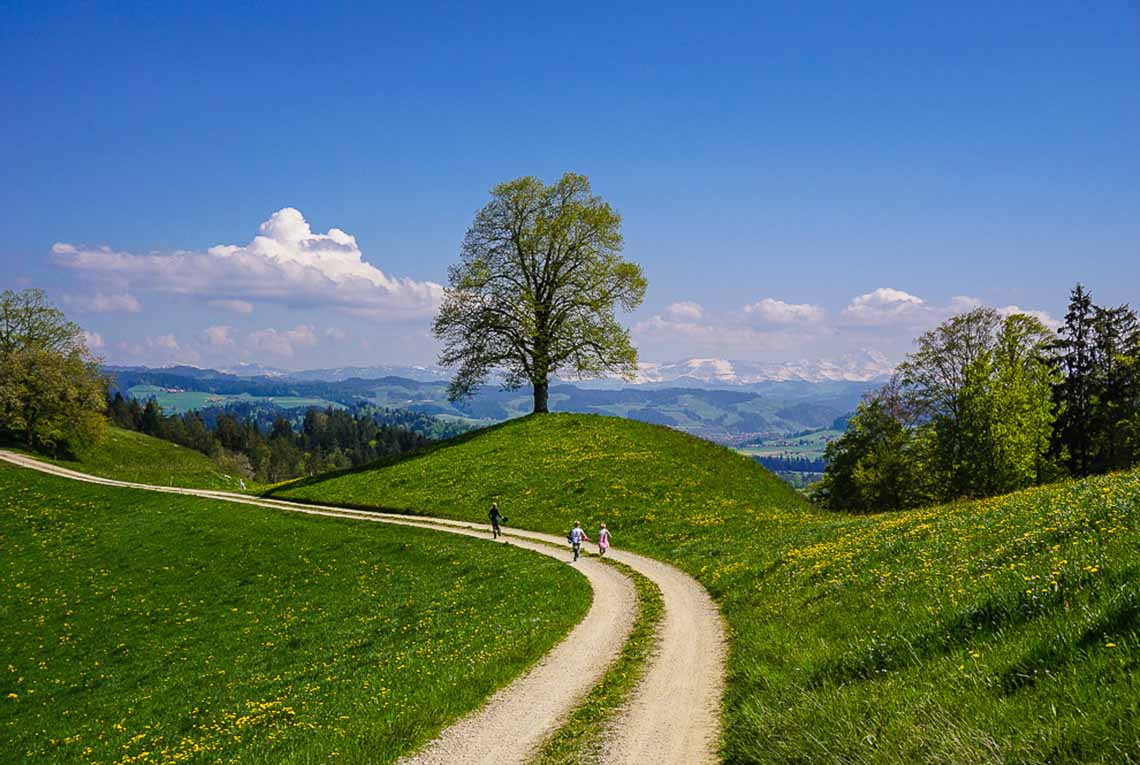
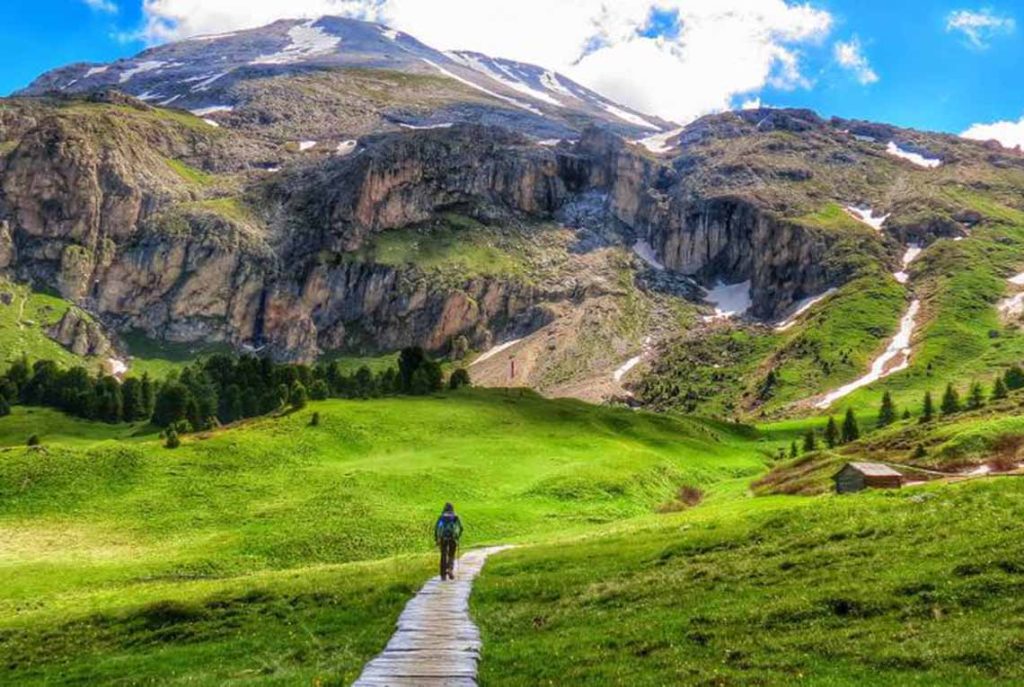
The Emmental Panorama Trail begins gently, almost invitingly, outside the town proper. Rolling hills dominate the foreground, stretching like waves of soft fabric stitched with farms and meadows. The trail’s early stages are defined by grassy ridges, wooden wayposts, and the melodic clanging of distant cowbells—each bell with a slightly different tone, forming a kind of accidental symphony.
Butterflies hover lazily over flowering meadows, and hay barns, some dating back centuries, dot the landscape. In the distance, the snowy outlines of the Bernese Alps serve as a promise of the elevation to come.
The trail winds through Lueg, a point of moderate elevation that provides one of the most generous panoramic views in the Emmental region. Here, the land seems to fold open, revealing layers of pasture, hamlet, and forest all at once. On clear days, the silhouette of the Eiger can be discerned, stark and jagged against the otherwise undulating terrain.
This portion of the journey can be completed in a day, though many walkers break it into smaller segments to linger longer in places like Affoltern im Emmental—home to the Emmentaler cheese factory, where traditions of cheesemaking are carried out with a devotion bordering on sacred ritual.
4. Burgdorf to Lüderenalp: A Route Through Rural Nobility
Setting out from Burgdorf in the direction of Lüderenalp reveals a trail that is less known by tourists but deeply loved by locals. This path is steeper and more rustic, passing through pastures bordered by low stone walls and wooden fences blackened by weather. It’s not uncommon to encounter old farmsteads where generations of the same family have lived, worked, and aged in the shadow of the Alps.
The hike takes approximately six to seven hours, depending on pace and weather, and offers a mix of forest shade and open grassland. Wildflowers—arnica, bellflower, and alpine aster—grow in profusion along the path, particularly during late spring and early summer. The scent of pine and moss deepens as the path ascends through woodland segments where birdsong becomes the only accompaniment.
At Lüderenalp, one is rewarded not only with altitude but with breadth. The ridge allows for an uninterrupted view of the Central Plateau and the distant Jura Mountains. The air is thinner, the wind slightly more assertive, but the sense of vastness is quietly exhilarating.
Those choosing to stay overnight at the guesthouse here will find no modern luxury—only clean linens, hot soup, and the kind of silence that cannot be manufactured, only found.
5. The Napf Circular Route: A Challenge Worth the Effort
Napf stands like a sentinel between cantons, and its trails are best tackled with early starts and steady legs. The circular route around Mount Napf is approximately 20 kilometers in length and presents a formidable test of endurance and orientation. This trail is particularly exposed, so sun protection becomes just as essential as good footwear.
The hike begins with a steep ascent through a wooded path that eventually opens into pastureland grazed by goats and highland cattle. What begins as effort soon becomes rhythm. The Napf ridge walk is narrow and occasionally vertiginous, but the reward is found in the uninterrupted views that stretch from the Jura all the way to the eastern Alps.
At the peak, the Napf mountain inn (Berghotel Napf) offers warm Rösti and local meats—simple fare served at altitude tastes richer, more earned. The descent back to the start point is gentler, with portions of the path tracing old Roman routes, where flat stone slabs show the grooves of centuries-old wheels.
One walks not only across landscape here but across epochs.
6. Aare Gorge Trail (Aareschlucht): The Pulse of Water and Stone
While technically a short train ride away, the Aare Gorge Trail is a necessary detour. Reached via Meiringen, it begins at the entrance of the dramatic limestone gorge carved by the Aare River. Unlike the pastoral charm of Burgdorf’s immediate surroundings, this trail is about power, about elemental forces colliding over millennia.
The path clings to the rock face, suspended at times above the roaring water below. Wooden walkways and tunnels guide the way through a natural corridor that feels both primeval and protected. The light filters through the gorge in narrow shafts, illuminating moss-covered stone and rushing foam.
This is a shorter route—around 1.5 kilometers—but the intensity of the surroundings makes it unforgettable. Walking here reminds one that the Alps are not just gentle hills and meadows but also fissures, cliffs, and cathedrals of stone shaped by glacier and flood.
7. The Gantrisch Nature Park Trail: A Hidden Treasure of the Pre-Alps
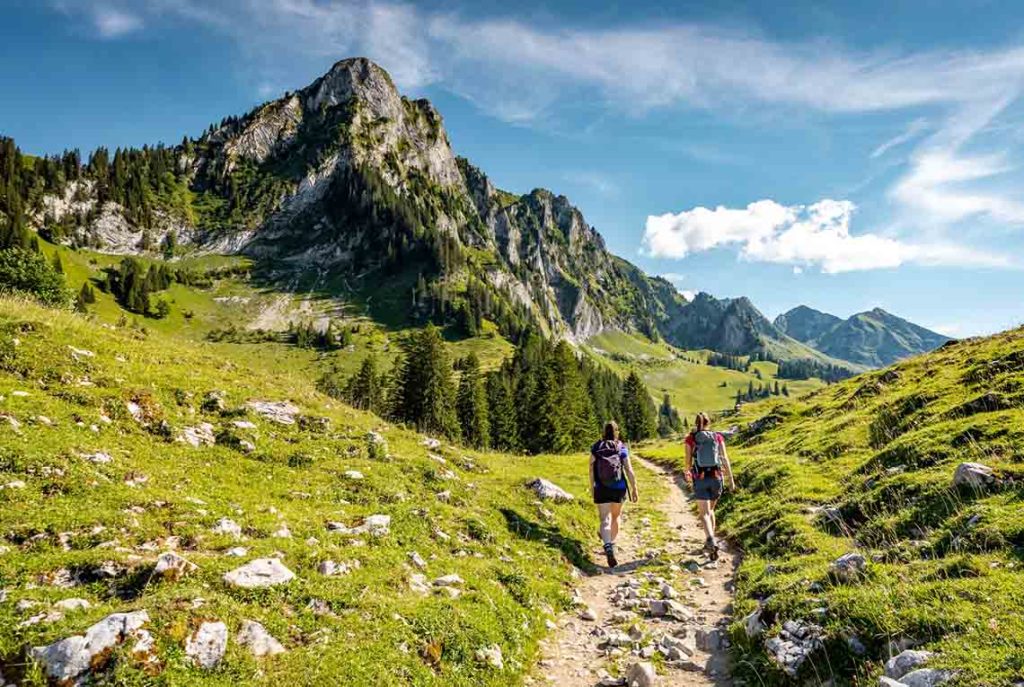
West of Burgdorf lies Gantrisch Nature Park, a less frequented but deeply rewarding region of pre-Alpine wilderness. The trails here are often framed by dense coniferous forests, interspersed with sudden clearings that reveal lakes of mirror-like stillness and craggy ridgelines unfamiliar to the average traveler.
One particularly fine route begins near Rüeggisberg, weaving through alpine forest and up toward the Gantrisch summit. The ascent is moderate but steady, requiring firm footing on gravel and exposed roots. A small chapel, often missed by the casual hiker, sits quietly at one bend in the trail—an indication that solitude and spirituality often meet in these heights.
Wildlife is more readily visible here than on the more trafficked routes. Marmots whistle their alarm from hidden burrows, and golden eagles are not uncommon overhead. The air smells of spruce resin, and even the soil seems older, darker, more compacted by centuries of footfall.
This is a place not for show but for substance.
8. Seasonal Considerations: The Character of Each Month
Different times of year lend the trails around Burgdorf distinct personalities. Spring is exuberant, filled with new growth, clear skies, and wildflowers. It is the most forgiving season for first-time visitors, offering firm trails and long hours of daylight.
Summer demands a higher degree of preparation. With greater elevation come greater risks—sunburn, dehydration, and sudden thunderstorms that can roll in with barely a warning. Yet summer also brings the clearest skies, the most generous visibility, and the warmth of alpine huts open for lunch and rest.
Autumn wraps the landscape in color. The forests turn gold, amber, and red, while the air sharpens into something both invigorating and melancholic. Fewer people walk the trails in October, making it ideal for those who seek quiet and space.
Winter is for the experienced. Snowshoes and poles replace hiking boots, and certain routes become impassable. Yet for those who are prepared, the reward is a world made entirely new—where silence falls like snowfall and even familiar routes become transformed.
9. Cultural Markers Along the Way
It’s not only the landscape that defines these trails, but the traditions embedded within them. Wooden signposts marked with white-red-white blazes speak to a national network of paths maintained with almost monastic dedication. Wayside crosses, small chapels, and trail-side benches carved with local family names form a secondary language—an enduring dialogue between those who live here and those who pass through.
Cheese dairies, mountain inns, and unattended honesty boxes selling fresh eggs or apple cider tell of a culture rooted in trust and continuity. There is something almost ceremonial in pausing mid-hike for a slice of bread and mountain cheese, consumed while seated on a flat stone warmed by the sun.
In each gesture—from greeting fellow hikers with a “Grüezi” to replacing a trail marker dislodged by wind—one participates in a kind of living tradition.
10. Evening in Burgdorf: Lantern Light and Quiet Streets
After long days on the trail, returning to Burgdorf feels like reentering a different pace of life. The town’s castle, perched above the old quarter, lights up softly at dusk. Narrow alleyways echo faintly with footsteps and murmured conversations in dialects shaped by the valleys.
Evenings are spent in local taverns where the wood-paneled walls hold more than warmth—they hold memory. Emmental barley soup, venison with lingonberries, and regional wines served in simple carafes complete the restoration.
One listens as stories are shared, many of them shaped by the same trails just walked, by weather changes remembered across decades, by old boots and new paths.