1. Arrival Beneath Watchful Walls
Dawn arrived with mist coiling above the Emme River, gently veiling the rooftops of Burgdorf in a shroud of silver-grey. Stepping off the train at the modest station, the air felt brisk, laced with the scent of dew on stone. All roads led upward, toward the castle that stood sentinel over the town like an elder remembering centuries past. It was immediately evident that Burgdorf, though small in size, wielded the gravity of a place where time had layered itself deliberately, each era woven respectfully into the next.
Cobblestones welcomed each footfall with a quiet authority. They were smooth, polished by generations of residents and visitors. Early morning vendors wheeled their carts into the marketplace, murmuring greetings in Bernese dialect, hands calloused but eyes quick with the rhythm of routine. There was no fanfare, no artifice, only the organic unfolding of daily life against an ancient backdrop.
2. A Fortress in the Fog: Burgdorf Castle
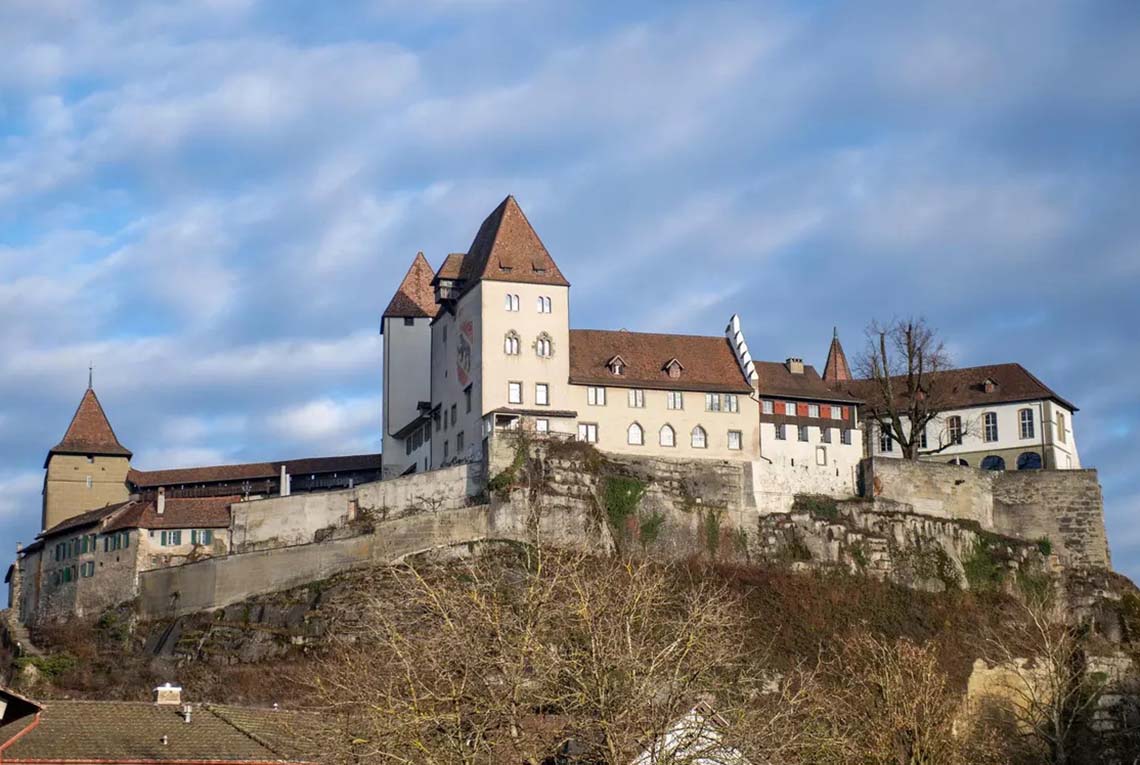
Ascending the hill toward Burgdorf Castle, I passed timbered houses whose beams seemed to lean closer together with age, eaves nearly whispering above the narrow lanes. The castle came into view gradually, its turrets rising like solemn observers through the thinning mist. It is a Burgundian structure, yet one born from the hands of the Zähringer dynasty in the 12th century, their influence still discernible in the architectural weight and formality.
Crossing beneath the gatehouse felt like entering another century. Stone walls, thick as conviction, surrounded the inner courtyard where the past echoed in soft footsteps and pigeons cooed from worn ramparts. The castle, now partially a museum, held artifacts that did not shout their significance but whispered it—an inkwell, a musket, a tapestry stitched with a noble crest. The armory bore the tension of forgotten battles, while the council chamber retained the echo of voices that once determined the fate of land and law.
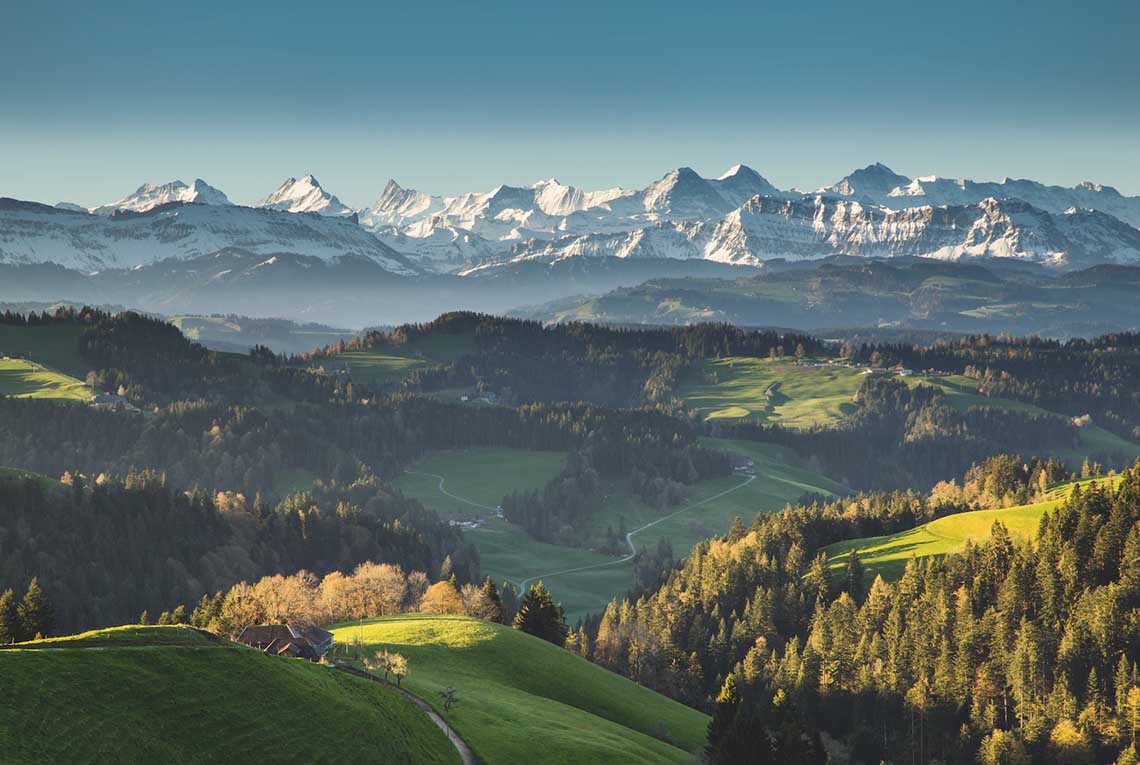
Standing at the highest turret, the view stretched across the Emmental, with patchwork farms fading into misty hills. It was not grandeur that stirred the senses but an enduring humility—the understanding that Burgdorf had watched the world change and yet remained rooted, dignified, and alert.
3. The Old Town’s Labyrinth
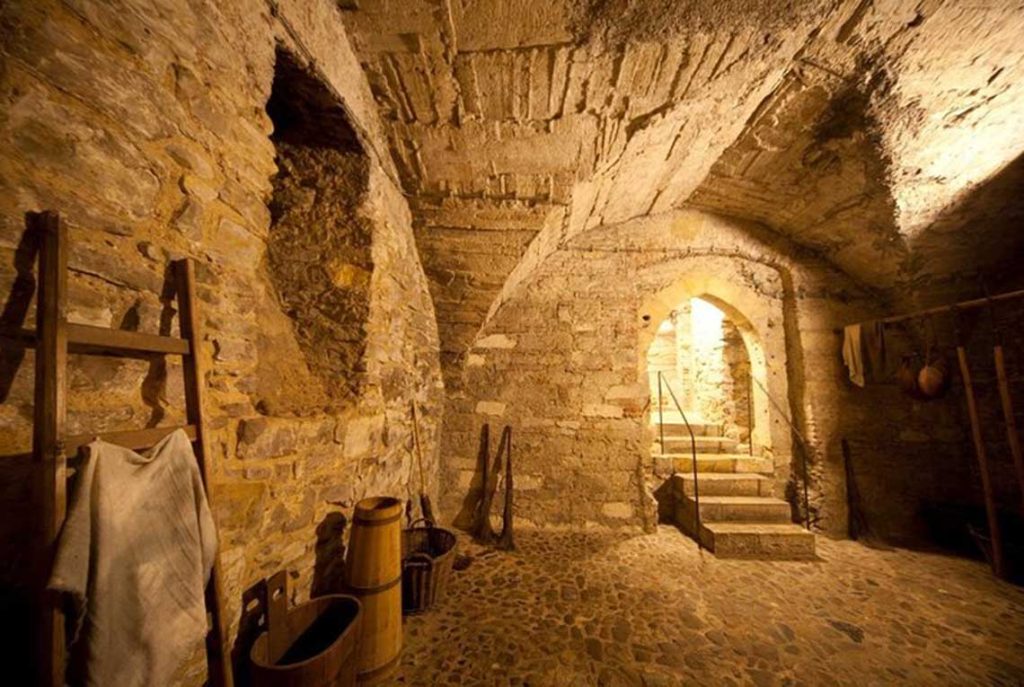
Descending from the castle, I wound my way through the Altstadt—Burgdorf’s historic old town. Its rhythm is deliberate, more like the steady turn of a music box than the quick pulse of a metropolitan center. Here, buildings date back to the 16th and 17th centuries, their facades bearing painted shutters, wrought iron signs, and curling geraniums in window boxes. It is the kind of place where streets are named for the trades that once thrived there: Metzgergasse, Schmiedengasse, Milchgasse. Each name tells a story.
There is a careful continuity to the town’s layout. The main promenade, Kirchbühl, leads past the Stadtkirche—Burgdorf’s reformed church whose sandstone tower rises with quiet authority. Inside, frescoes survive the iconoclasm of the Reformation, subdued but intact. The wooden pews creak under centuries of devotion, and the organ loft looks down like a watchful guardian over the nave. Here, the air itself feels older, a touch slower, as though conscious of its own spiritual heritage.
Shops blend seamlessly into the ground floors of historic homes. A bakery with copper pans suspended above its hearth offered fresh Nussgipfel and Apfeltaschen, wrapped in parchment rather than plastic. I lingered outside a bookshop, its display window filled not with flashy titles but with leather-bound volumes and hand-calligraphed local maps. There is a resistance here to the fleeting trends of the modern age—an insistence on doing things properly, with care, with an eye to the past.
4. Craftsmanship and Continuity
Burgdorf has always been a town of tradespeople, and that spirit has never vanished. Behind centuries-old doors, workbenches are still polished daily, and tools hang in precise alignment. In one such workshop, I found a violin maker bent over a spruce soundboard, his hands moving like a conductor directing silence. He explained, in his melodic Swiss German, how the wood must “breathe” before it can sing.
Further along, a blacksmith still works an anvil in the shadow of the castle, offering demonstrations to curious passersby. The clang of hammer on metal rang with a certain timelessness. His craft has not adapted to digitalization, and perhaps never will.
One of the more unexpected stops was the Museum Franz Gertsch, located on the southern edge of the old town. A bold, modernist structure, it stands in stark contrast to the medieval environment around it. Inside, expansive halls house the hyperrealist paintings and woodcuts of the Swiss artist, exploring memory, perception, and stillness. It is a place where silence is part of the exhibit. The juxtaposition of this modern space with the surrounding antiquity feels neither jarring nor mismatched—it is simply Burgdorf’s way of making room for the new without discarding the old.
5. Markets and Meeting Grounds
Twice a week, the old town becomes a canvas of color and conversation. The Wochenmarkt fills the streets with seasonal produce, alpine cheese, handmade soap, and wildflower bouquets. Each stall is an invitation to linger. A cheesemonger from the Emmental valley let me taste slivers of raw-milk Berner Alpkäse, its texture crystalline and buttery, as he recounted the names of the cows whose milk had birthed it.
At another stand, a woman sold handwoven linens stitched with local patterns. Her family had lived in Burgdorf for five generations, and each piece she sold was sewn with motifs passed down from great-grandmothers. These markets are not just commercial but deeply cultural—the preservation of heritage through touch, taste, and dialogue.
In the nearby Kronenplatz, older residents sat on benches beneath linden trees, discussing local affairs with the gravity usually reserved for parliaments. Young couples sipped coffee from ceramic cups at outdoor cafés, their dogs curled obediently beneath their chairs. Time moved here, but on its own terms.
6. Trails Beyond the Walls
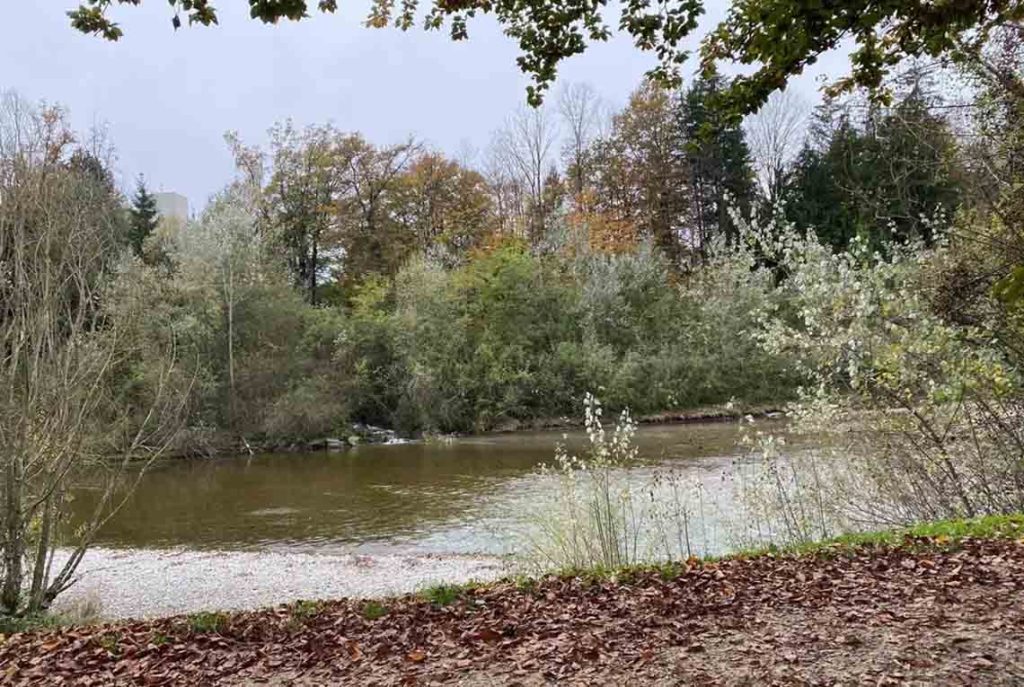
To understand Burgdorf entirely, it’s necessary to step beyond its urban heart and into the surrounding landscapes. Trails weave outward in every direction—into the Emmental hills, across meadows where cows graze with bells ringing gently, into forests whose trees hold stories in their bark.
A footpath behind the castle leads to the Gysnauflüeh, a ridge offering panoramic views of the Aare Valley and, on clear days, the distant Alps. Along the way, informational signs recount tales of Roman routes, Napoleonic soldiers, and medieval traders. Each bend of the trail offers a new perspective—not just of the terrain, but of time itself.
At a wayside inn, a farmer served cider pressed from heirloom apples grown on the hill below. The taste was complex, fermented lightly, cloudy with sediment. It was accompanied by Salsiz, a cured sausage whose recipe hadn’t changed in decades. There was no menu, no branding. The experience was simply the land speaking in its native tongue.
7. A Living History
Burgdorf does not present itself as a museum, though it could easily qualify. Its preservation is not static but lived—buildings that are old because they’ve always been used, traditions upheld because they’ve never been questioned. It is not a place seeking to impress with spectacle. Rather, it invites an attentiveness to subtlety: the curve of a staircase handrail worn smooth by generations, the soft chime of a bell tower marking not the hour but the season, the familiar nod of a shopkeeper who recognizes a returning face.
The rhythm of life here values continuity. Festivals celebrate saints no longer canonized and harvests still gathered by hand. Children learn songs whose lyrics haven’t changed in centuries. And yet, innovation finds its niche—a community library housed in a refurbished train depot, sustainable housing initiatives designed to mimic old Bernese farmsteads, and a youth theater troupe performing Goethe in dialect.
Burgdorf breathes with both lungs: one rooted in ancient stone, the other seeking the winds of change. Its architecture, customs, cuisine, and crafts form an intricate tapestry where no thread is sacrificed for the sake of novelty. The new builds upon the old, not over it.
8. Evenings Beneath Lantern Light
As evening descends, the streets quiet without losing their pulse. Gas lamps flicker to life, casting pools of gold across the flagstones. In the distance, the castle stands aglow, its silhouette softened by amber light. There is no rush. Locals linger outside restaurants with wine glasses half full, their conversations meandering, gentle, respectful of silence as much as speech.
At Gasthof zum wilden Mann, dinner is not a hurried affair. Courses arrive slowly, each dish a careful celebration of local ingredients: venison with juniper berries, pumpkin soup with cream from a nearby dairy, poached pear in spiced red wine. The staff move with the understated grace of those who know the importance of not interfering with a guest’s thoughts.
Through the window, the old town remains visible—the shop signs, the shuttered windows, the uneven lines of ancient roofs. It all holds, like a hymn sung quietly after others have gone home.