The sun had barely risen above the soft, rolling hills of the Emmental Valley when I stepped off the train at Sumiswald-Grünen. The quiet platform gave way to a cobbled path lined with old timber houses and the unmistakable scent of pinewood and fresh bread. The air was brisk, perfumed faintly with morning dew and the earthy promise of a town that cherishes its past like a sacred heirloom. Sumiswald, nestled quietly in the heart of the Bernese countryside, was about to offer a day of shopping unlike any other: not for luxury brands or modern labels, but for treasures woven into the fabric of Swiss tradition.
1. Arriving in a Living Museum
There is a certain stillness to Sumiswald that seems to stretch back centuries. Not a sleepy kind of stillness, but the hushed reverence of a place that moves at its own tempo, immune to the impatience of the digital world. Every building here wears its age proudly, with darkened beams, shingled roofs, and carved balconies overflowing with summer geraniums. Cows with clanging bells graze beyond low stone fences, and somewhere in the distance, a rooster announces the start of the day as though it were a centuries-old ritual. The town is as alive as it is historic, and walking through it feels less like entering a destination than stepping into a living chronicle of rural Swiss life.
2. The Clockmaker’s Atelier: Timepieces with Soul
A brisk ten-minute walk from the station brought me to one of Sumiswald’s hidden gems: a third-generation horologist tucked behind a modest wooden storefront simply marked “Uhrmacher.” The ticking inside the shop was hypnotic—hundreds of clocks in various shapes and sizes lined the walls, chiming and whirring in an orchestrated chaos only their maker understood. These were not merely instruments to tell time; they were sculptures, narratives, pieces of engineering poetry carved from linden wood and brass.
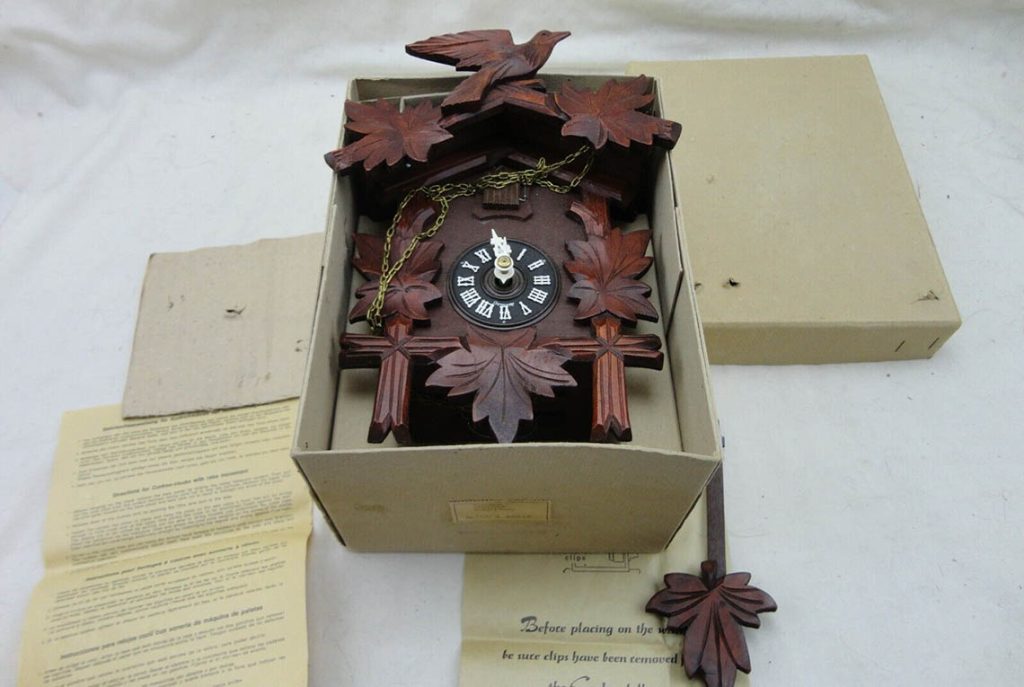
I watched the artisan assemble a miniature cuckoo clock, his movements so precise it seemed the hands of the timepiece mimicked his own. Some clocks took weeks to complete, with every element—bird call, moving dancers, rotating mill wheels—crafted by hand. The shop offered both ready-made models and bespoke commissions. I chose a medium-sized Black Forest-style piece, intricately carved with leaves and edelweiss. The artisan packed it gently, placing a handwritten card with instructions and the family’s workshop history in the box.
3. Handwoven Dreams: The Emmental Textile Workshop
A short stroll through Sumiswald’s central square led me to a narrow alley framed by elder trees, where a banner reading Emmentaler Handweberei waved gently in the breeze. The weaving house, established in the late 19th century, was alive with the rhythmic clack of wooden looms. Inside, the scent of lanolin and raw wool filled the air, and several elderly women worked side by side, spinning, threading, and weaving with a fluency that only decades of practice could achieve.
Bolts of fabric dyed with traditional plant-based pigments were stacked along one wall—deep indigo, rustic reds, forest greens. Each textile had a label noting the name of the weaver and the time it took to complete. I chose a table runner and two cushion covers embroidered with geometric motifs inspired by local alpine flowers. They came wrapped in beeswax paper, tied with a linen thread. The shop owner, a woman whose voice resembled the hush of snowfall, explained that the dyes came from herbs grown on the slopes of nearby hills. The wool, too, came from Sumiswald’s own sheep. Every piece was part of a chain—the land, the animal, the hand, the loom.
4. A Leathercraft Legacy: Saddlebags and Swiss Belts
A bell rang as I entered a workshop near the town’s southern edge, where the scent of leather and smoke greeted me. The proprietor, a wiry man with calloused fingers, was finishing a belt that looked like it belonged in a museum display on Alpine riders. Rows of saddlebags, harnesses, and belts hung like ornaments from hooks along the walls.
The leather was thick, buttery, and bore the subtle markings of life—creases, dimples, the occasional scar. Nothing here was made for ornamentation alone. These were goods designed for daily use, stitched for durability, tanned for weather, and often passed down through generations. I examined a shoulder bag with a brass clasp shaped like a goat’s head. The artisan had dyed it a deep oxblood red using natural pigments extracted from madder root.
The bag came with a certificate noting the origin of the leather, the name of the tannery, and even the date the cow had been born. This was not a factory product—it was an heirloom still warm from the hands that made it.
5. Carving Wood, Carving Stories: The Sculptor of Sumiswald
Near the edge of town stood a modest chalet with its doors flung open and a carving knife stuck jauntily into a block of pine at the threshold. Inside, a man whose beard belonged on a vintage beer label worked quietly over a wooden figure—a goat perched on a rocky outcrop, its horns curling like question marks.
The room was a chaos of wood shavings, tools, and half-finished carvings. Some pieces were whimsical—laughing children, accordion-playing farmers—while others evoked solemnity: a weathered face, a bowed head, a procession of pilgrims. I spent nearly an hour watching the sculptor work. His hands were quick, but the touch was reverent, as though he were revealing something hidden rather than shaping something new.
I left with a wooden figure of a milkmaid carrying twin buckets, each suspended from a yoke. The expression on her face was serene, and the attention to detail—her boots, the folds of her apron, even the wrinkles in her sleeve—spoke of a maker who had studied not just wood, but life itself.
6. The Cheese Shop That Sells More Than Cheese
Walking back through the main square, I stopped by a shop marked simply “Käse & Mehr.” The more, it turned out, included embroidered napkins, hand-painted porcelain dishes, and candles made from locally harvested beeswax. The cheese, of course, was exquisite—aged Emmental wheels stored in cellars built during the Napoleonic era, their flavors rich with mountain herbs and the sweet tang of unpasteurized milk.
A set of four cheese knives with wooden handles and forged steel blades caught my eye. Each handle had been carved with a different alpine flower. The shop owner explained they were made by a father-and-son team in a nearby village who specialized in forging cutlery for mountain chalets. I purchased the set, along with a slab of ten-month-aged Emmental and a beeswax candle shaped like a church steeple.
7. Paper and Ink: The Artisanal Stationer
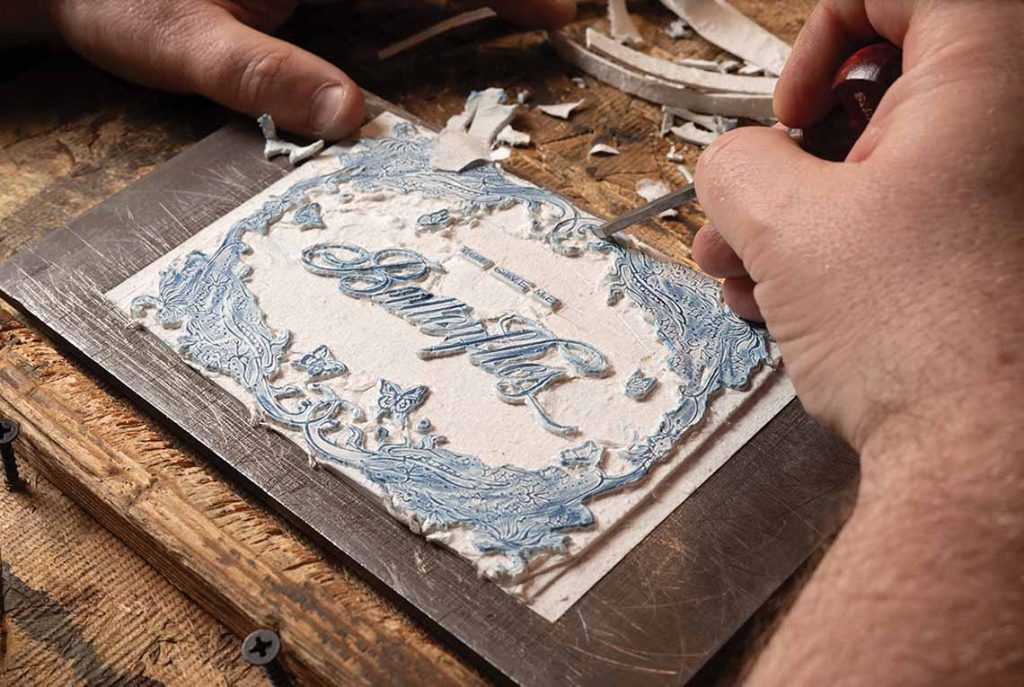
Behind a thick green door near the town’s eastern chapel stood a stationer’s studio that looked like a chapel itself—vaulted ceilings, leaded windows, and shelves lined with notebooks bound in hand-pressed paper. The smell inside was a combination of ink, cedarwood, and antique silence. Each journal had a soft, almost cloth-like cover, embossed with patterns derived from local architectural motifs.
I browsed for a long time before selecting a deep navy notebook with a hand-sewn spine. The stationer wrapped it in old-fashioned brown paper and affixed a wax seal bearing a motif of the Bernese bear. Alongside the notebooks were fountain pens handmade from larch wood and bronze, their tips honed with surgical precision. I tried one and ended up leaving with both the pen and a bottle of violet-black ink made using gentian root.
8. Lunch in the Meadow: A Picnic of the Ages
Loaded with parcels that rustled and clinked, I made my way to a hillside meadow just outside town. A simple wooden bench faced the valley, where patches of wildflowers danced in the afternoon breeze. Lunch consisted of rye bread, mountain cheese, smoked ham wrapped in wax paper, and a small bottle of pear schnapps bought from a roadside kiosk unmanned but for a cash tin and a sign reading Vertrauen ist alles—Trust is everything.
The silence was profound, broken only by cowbells and the occasional flutter of wings. Even the cheese knife, just unwrapped, seemed to know it had arrived home.
9. The Embroiderer’s Cottage
Later that afternoon, a gentle rain began to fall, and I found myself sheltering under the eaves of a cottage with lace curtains and a sign advertising Alte Stickereien. The embroiderer invited me inside without ceremony. Her living room was half museum, half workshop. On the table lay stacks of linens—napkins, handkerchiefs, doilies—each hand-embroidered with traditional Swiss motifs: edelweiss, ibex, fir branches, and the Bernese coat of arms.
She showed me how she used silk threads dyed with walnut husks and indigo, and how each design followed a pattern passed down through her grandmother’s notebook. I purchased a small tablecloth adorned with a border of dancing ibex. She folded it neatly, tied it with a velvet ribbon, and tucked a sprig of lavender between its folds.
10. Twilight Among Lanterns and Bells
As twilight approached, the town prepared for a small evening market in the central square. Lanterns were lit, and stalls began to open, selling everything from bell-shaped ornaments to carved spoons and felt slippers. The rain had stopped, leaving behind a clean, glistening sheen on the cobblestones. I wandered from stall to stall, savoring the quiet joy of a community that had never forgotten how to make things with its hands.
I found a stall selling hand-forged cowbells, each tuned to a different note. The vendor demonstrated by ringing three bells together, producing a harmony that was oddly moving. I chose one, not the largest or loudest, but the one that rang like a call to memory.
11. Nightfall and the Sound of Heritage
That night, I returned to my guesthouse, its window shutters rattling gently in the wind. The room was small, paneled in aged pine, and smelled faintly of woodsmoke and lavender. I unpacked my day’s finds and laid them on the bed: wood, wool, leather, metal, paper, and cheese—a spectrum of materials, each infused with the soul of its maker.
The village outside had gone quiet. A single cowbell clanged somewhere in the dark. The clock I had bought ticked gently on the dresser, a lullaby from Sumiswald, a whisper of time made by hand.