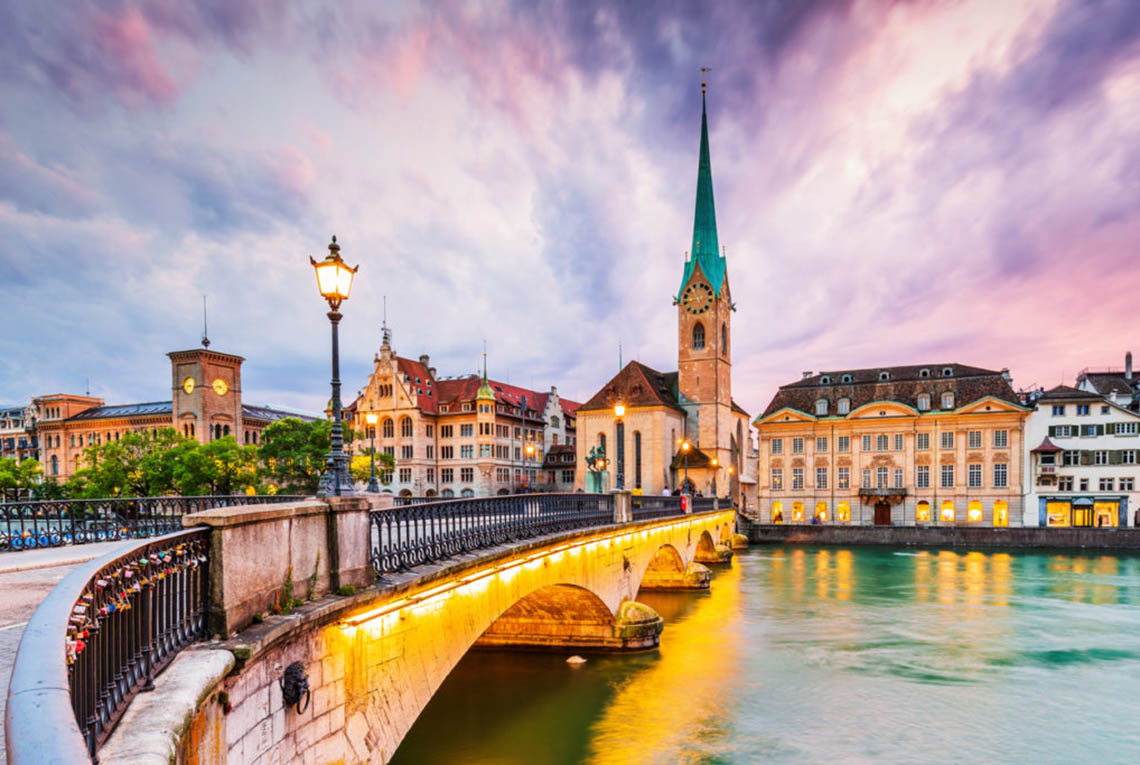
Nestled in the heart of the canton of Bern, Burgdorf is a picturesque Swiss town that often flies under the radar of international tourists. With its medieval charm, historical landmarks, and idyllic scenery, Burgdorf offers visitors a serene yet engaging experience. Getting around this delightful town is straightforward, but understanding the various transportation options can significantly enhance the journey. Whether arriving for a day trip or an extended stay, mastering the local transport systems—bus, walking routes, and self-driving—is essential to making the most of every moment.
1. Public Transportation in Burgdorf: The Backbone of Mobility
Overview of the Local Transit System
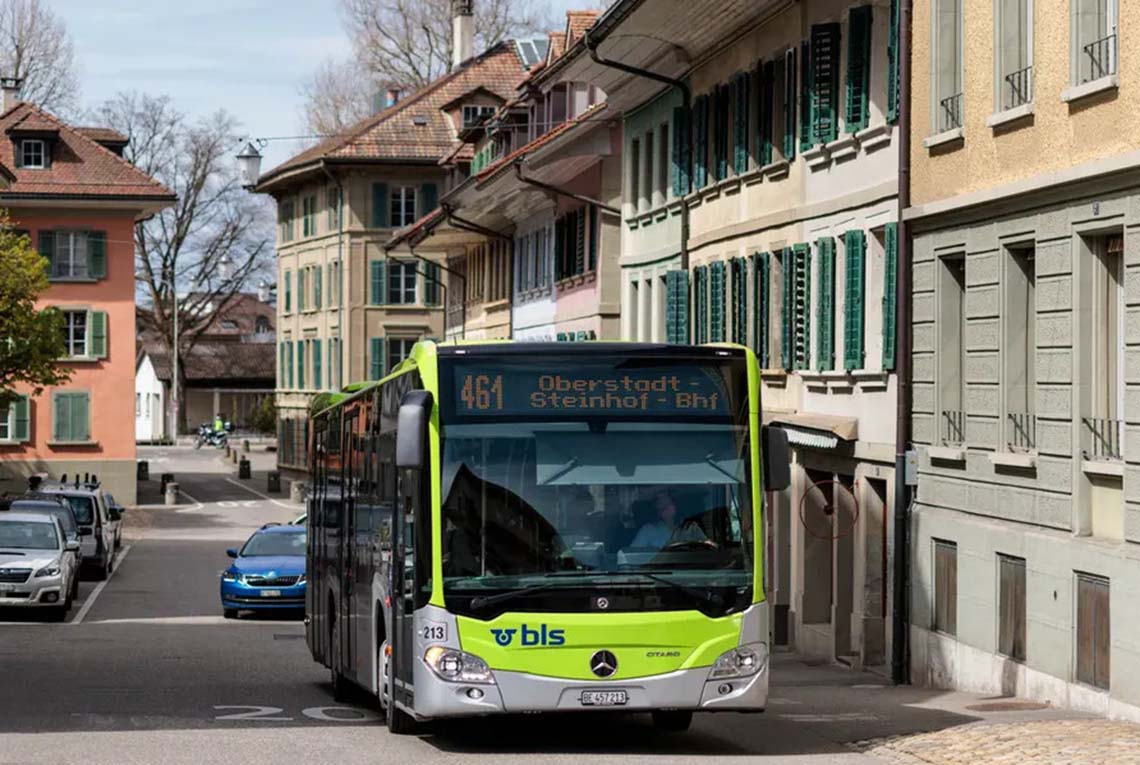
Burgdorf is well-integrated into Switzerland’s famously efficient public transportation network. The town is served primarily by Busland AG, a subsidiary of BERNMOBIL, which operates bus routes throughout the Emmental region. The system connects not only key areas within Burgdorf but also nearby towns and rural villages.
Schedules are reliable and punctual, and buses typically run from early morning until around midnight, with slightly reduced services on weekends and public holidays.
Where to Catch the Bus: Key Hubs and Stops
The main transport hub in Burgdorf is Burgdorf Bahnhof (Railway Station). Adjacent to the railway platforms are several bus bays where regional and local buses begin and end their routes. Bus platforms are clearly marked with electronic timetables that display real-time departures.
Important stops include:
- Bahnhof Burgdorf – for intercity train transfers and most bus lines.
- Marktgasse – central shopping and dining area.
- Burgdorf Oberstadt – close to the castle and old town.
- Schlossmatt – a residential area with access to hiking paths.
Popular Bus Routes for Tourists
- Line 461: Connects Burgdorf with Oberburg and Wynigen. Useful for those staying in countryside inns or wanting to explore Emmental’s rural charm.
- Line 465: Travels toward Kirchberg, a nearby municipality with several walking trails and views of the Jura mountains.
- Line 468: A direct route to Lützelflüh, home of Swiss author Jeremias Gotthelf.
How to Purchase Tickets
Tickets can be bought from vending machines located at major bus stops and stations, as well as through the SBB Mobile App and the Libero App, which services the Libero fare network zone. The ticketing system is zone-based, so understanding the Libero zones is important for planning cost-effective trips.
Payment methods include coins, debit and credit cards, and mobile payment platforms such as Apple Pay or TWINT.

Ticket Options and Prices
- Single ticket (Einzelfahrt): Valid for one journey within selected zones.
- Day pass (Tageskarte): Unlimited travel in selected zones for a full day. Ideal for exploring the entire region in one day.
- Multi-trip pass (Mehrfahrtenkarte): Prepaid cards with discounted rates, useful for longer stays.
- Swiss Travel Pass: Though more expensive, it covers all public transport throughout Switzerland, including buses and trains in Burgdorf.
Bus Etiquette and Tips
- Enter through the front door and greet the driver if possible.
- Validate your ticket if using a paper one. The machines are usually near the doors.
- Give up priority seating for elderly passengers or those with mobility issues.
- Push the red button labeled “Stopp” to request a stop.
2. Walking Through Burgdorf: Exploring the Town on Foot
Why Walking is Ideal in Burgdorf
Burgdorf’s old town and residential neighborhoods are compact and designed with pedestrians in mind. Many areas are designated as pedestrian zones, with cobblestone paths winding through streets that are steeped in history.
The beauty of walking in Burgdorf lies in the immersive experience it offers—strolling along medieval alleyways, pausing at fountains, peeking into artisan shops, and savoring regional pastries at family-owned bakeries.
Main Pedestrian Routes and Sights
Bahnhof to Schloss Burgdorf
A 15-minute uphill walk that takes visitors from the train station through the modern part of town into the historic upper town. Landmarks along the way:
- Bahnhofstrasse: Lined with shops and cafes.
- Marktgasse: Traditional Swiss facades and weekly farmer’s market.
- Schloss Burgdorf: An iconic hilltop castle, now a museum and youth hostel.
Burgdorf Old Town Circuit
A leisurely 45-minute walk that circles the upper old town, ideal for exploring:
- Zähringerplatz
- Reformed Church of Burgdorf
- Altes Schlachthaus: Now a cultural center with exhibitions and performances.
Emme River Walk
This flat, scenic trail runs parallel to the Emme River. Accessible from the western edge of town, the path leads toward Hasle-Rüegsau and offers quiet, natural surroundings perfect for birdwatching and photography.
Walking Safety and Considerations
- Crosswalks are well-marked and respected by local drivers.
- Most sidewalks are wide and well-maintained, but parts of the old town can be uneven due to cobblestones.
- Nighttime walking is safe due to excellent street lighting and low crime rates.
Recommended Walking Gear
- Comfortable shoes with good traction for cobblestones and light elevation changes.
- A lightweight daypack with water, especially in summer months.
- Weather-appropriate clothing—an umbrella is wise year-round in Switzerland.
3. Driving in and Around Burgdorf: Freedom on Four Wheels
Car Rental and Access
Several international and regional car rental agencies operate in Burgdorf, often with offices near the train station or in Bern. Booking in advance—especially during holidays or festivals—ensures vehicle availability and better rates.
Drivers must hold a valid license (an International Driving Permit is advisable for non-EU visitors) and be at least 20–25 years old depending on the rental company.
Navigating the Streets of Burgdorf
Driving within Burgdorf’s central areas requires attentiveness. The old town is partially restricted to vehicles, and many streets are one-way. However, signage is clear and navigation apps like Google Maps or Waze work reliably.
Outside the town, roads are well-maintained and wind through the stunning Emmental countryside.
Key roads and directions:
- A1 Motorway Access: 10 minutes south toward Bern or Zurich.
- Route 23: Leads northeast toward Langnau and the Emmental hills.
- Burgdorf-Rüdtligen Road: For accessing more industrial zones and big-box shopping centers.
Parking Information
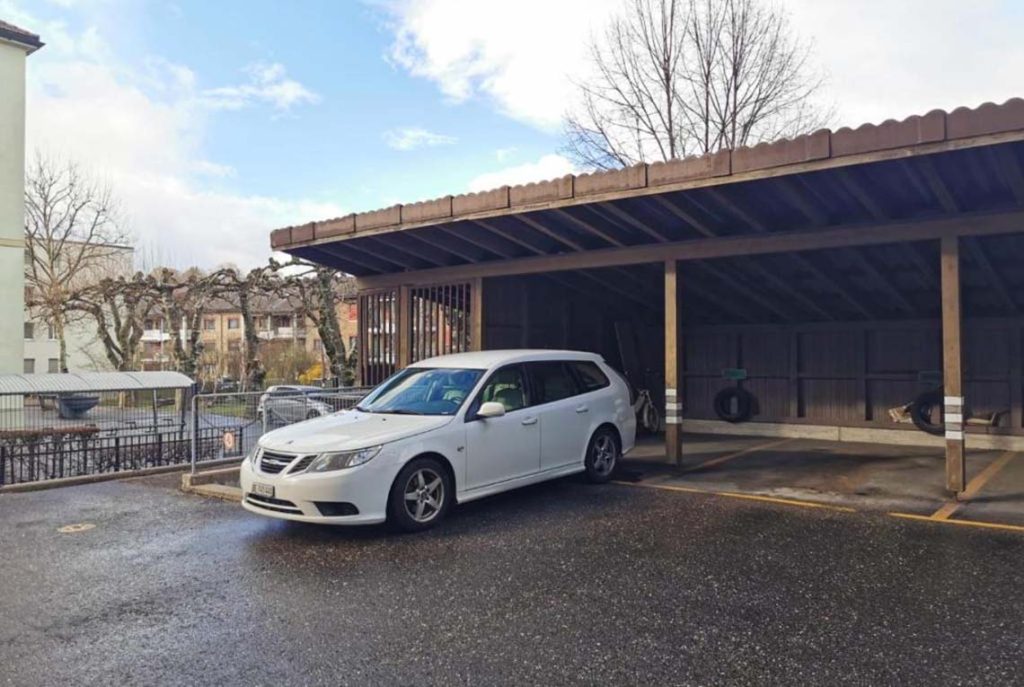
- Blue Zones (Blaue Zone): Free with a parking disc (Parkscheibe) for up to 1 hour. Discs are available at gas stations and tourist offices.
- White Zones: Paid parking—accepts coins or payment via the Parkingpay app.
- Parking Garages:
- Parkhaus Oberstadt – closest to the castle.
- Parkhaus Burgdorf Zentrum – near shops and restaurants.
- Coop Parking Garage – shopping and groceries.
Fuel Stations and Car Services
Multiple fueling stations are located at town entrances. Many are self-service and open 24 hours. Diesel and gasoline are the most common fuel types, and electric vehicle charging stations are steadily increasing in number.
For mechanical issues, Garage Rüfenacht AG and Autohaus Wyss offer reliable service, and roadside assistance can be reached through TCS (Touring Club Schweiz).
4. Transportation for Day Trips and Excursions
By Bus or Train to Nearby Towns
- Bern: 15–20 minutes by train. Ideal for museums, parliament buildings, and the old town UNESCO site.
- Langnau im Emmental: 30 minutes by bus or train for traditional Emmental cheese-making visits.
- Solothurn: 35 minutes west for baroque architecture and riverside cafés.
Scenic Drives from Burgdorf
- Emmental Cheese Route: A circular drive through villages like Affoltern and Trubschachen, with stops at cheese dairies and panoramic viewpoints.
- Jurassic Road: Toward Balsthal and the Jura Mountains, passing through rolling hills and ancient ruins.
- Gantrisch Nature Park Loop: A longer drive (1–2 hours round trip) featuring alpine vistas, lakes, and picnic spots.
5. Seasonal Considerations and Special Transit Services
Winter Weather Impacts
During winter, roads are cleared promptly, but snow tires or chains may be mandatory in hilly regions. Bus services operate with modified schedules, and hiking trails may be inaccessible.
Walking can be more challenging in icy conditions, especially in the upper old town, so winter boots and poles are recommended.
Summer Transit Boosts
Summer months bring extended bus hours on weekends, and certain mountain routes operate only during the warmer season. Bicycle-friendly buses and additional trains may also be available for hiking destinations.
A popular summer option is the Emmental Hiking Bus, which connects remote trailheads with Burgdorf and other towns.
6. Accessibility and Inclusive Transportation
Public buses in Burgdorf are equipped with low-floor access for wheelchairs and strollers. Drivers are trained to assist passengers who need additional help boarding. Visual and auditory stop announcements aid those with vision or hearing impairments.
Walking routes within town are mostly accessible, though parts of the old town may present challenges due to elevation and cobblestones. Wheelchair-accessible taxis and mobility services can be booked through Mobilitätszentrale Bern.
7. Local Transportation Resources
Useful contacts and tools for navigating Burgdorf:
- SBB Mobile App: For train and bus schedules and tickets.
- Libero Fare Network: Zone maps and fare calculator.
- Tourismus Region Burgdorf: Physical maps and real-time tips available at the Tourist Info Office on Bahnhofstrasse.
- Google Maps and SwissTopo: For walking and driving navigation.
- Bike Burgdorf: Offers bike rental and e-bike charging stations.
Burgdorf’s transportation systems, both modern and timeless, are integral to exploring its layers of history, nature, and culture. Buses glide efficiently through rolling valleys, cobblestone paths invite wandering feet, and quiet roads lead outward to alpine pastures and forested trails. Each method of movement offers a different perspective on the rhythms of this captivating Swiss town.